
By Dr. Teo Wan Lin | Host of Dermatologist Talks: Science of Beauty
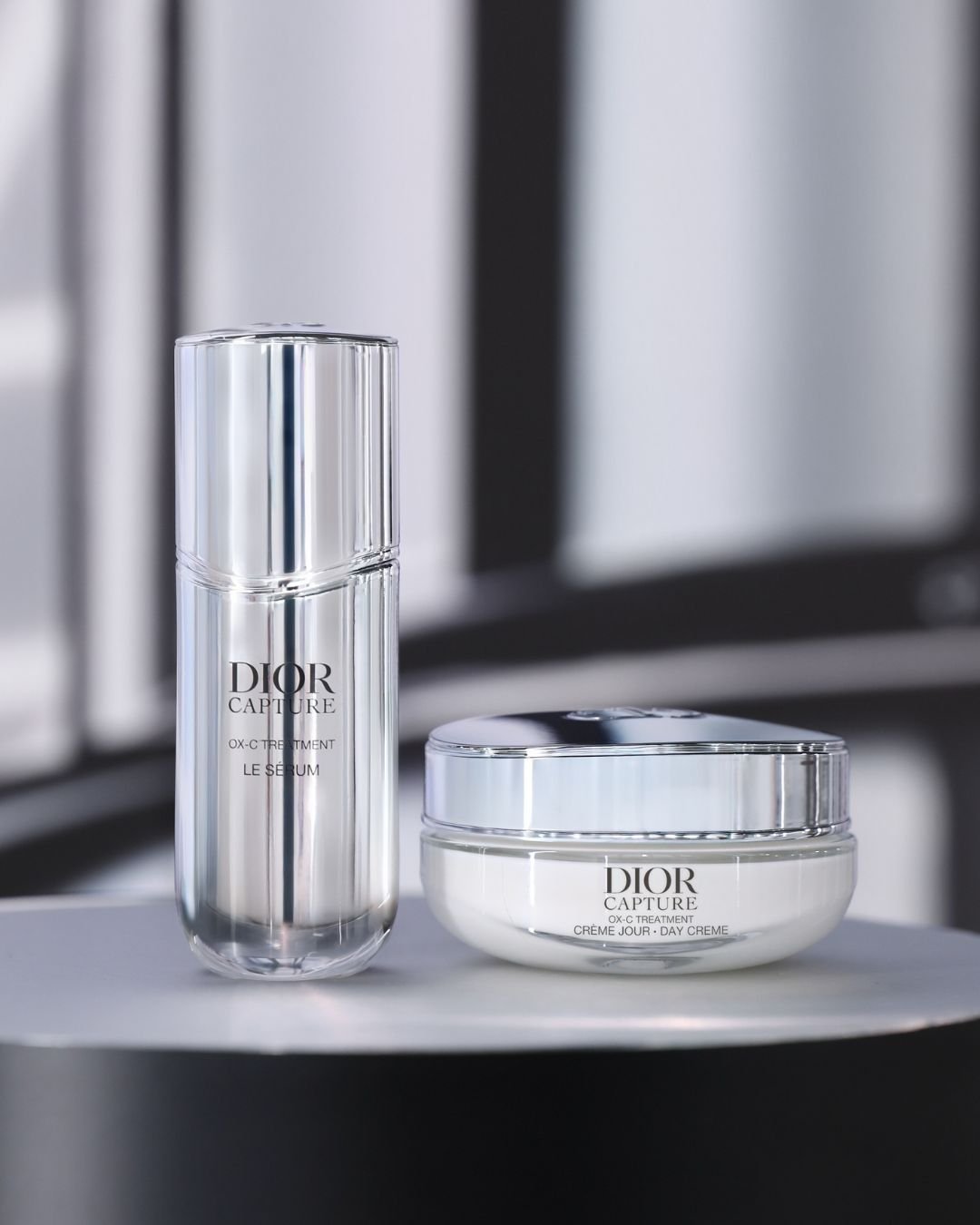
Welcome back to Dermatologist Talks. Today, we are stepping inside the glass-walled laboratories of LVMH Research to discuss a breakthrough that is dominating the conversation in 2026: the intersection of high-performance biotech and luxury skincare.
For the Asian skin demographic, the issue of skin reactivity and sensitivity goes beyond skin types. While Asian skin is thicker in terms of its dermal density, it’s also well known to be much more prone to hyperpigmentation. This is critical in the context of the skin exposome, which accounts for the biological response to urban stressors. It’s increasingly important to delve into what is actually going on at a cellular level, and that’s exactly what Dior Science is proving.
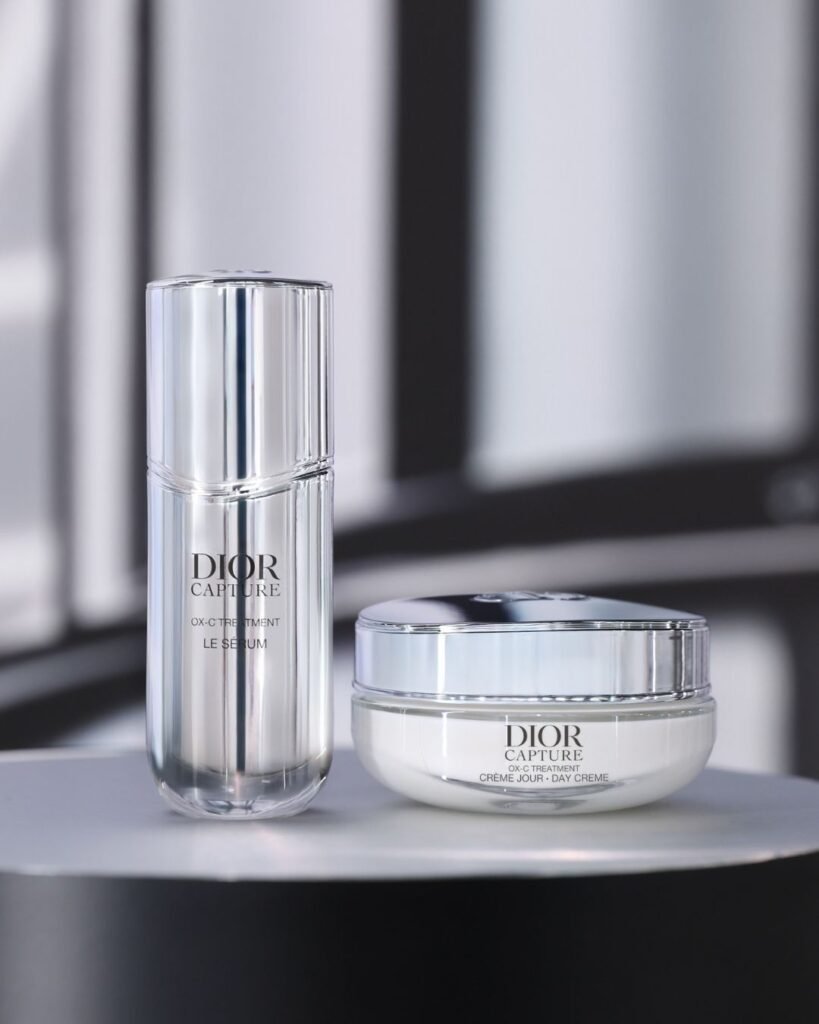
We’ve always been told that high-potency anti-aging skincare and sensitive skin don’t mix. The LVMH Research team is changing that narrative precisely with the Capture Totale OX-C Treatment. Their research forms the basis of the question we are answering today: Is oxygen the secret to resilient Asian skin?
Addressing Pollution and Skin Hypoxia with Dermocosmetics
There is increasing research on how high-pollution environments, skin hypoxia, and inflammaging are grounded in recent systems biology and environmental dermatology research.
Airborne particulate matter (PM), particularly PM2.5, acts as a primary environmental stressor that disrupts skin homeostasis. Research indicates that as skin ages and is exposed to chronic environmental stress, there is a measurable shift in the expression of genes associated with hypoxia (oxygen deprivation) and glycolysis.
- Cellular Deprivation: Studies using transcriptomics and proteomics have identified that markers of oxygen sensing and hypoxia increase significantly in photoexposed skin.
- Mitochondrial Dysfunction: Pollutants penetrate the skin barrier and induce oxidative stress, which leads to mitochondrial dysfunction. This dysfunction impairs the cell’s ability to utilize oxygen efficiently, further driving the hypoxic state.
The Trigger: Inflammaging and Sensitive Skin
The relationship between this hypoxic environment and inflammaging—chronic, low-grade inflammation that accelerates aging—is well-documented.
- Inflammaging Pathway: Environmental pollutants trigger inflammatory cascades by activating the aryl hydrocarbon receptor (AhR) and NF-κB pathways. This results in the overproduction of pro-inflammatory cytokines such as IL-8, IL-1α, and TNF-α.
- Barrier Sensitivity: In Asian skin cohorts specifically, pollution disrupts the skin barrier by degrading tight junction proteins like ZO-1 and occludin. This increased permeability makes the skin more sensitive and susceptible to further environmental damage, creating a cycle of persistent inflammation.
- SASP and Senescence: Chronic exposure leads to the development of a senescence-associated secretory phenotype (SASP), where senescent cells secrete factors that induce inflammation in neighboring healthy cells, a core component of the inflammaging theory.
To understand the solution, we must first understand the problem. High-pollution environments can cause skin hypoxia, which is a state of low oxygen or oxygen deprivation. This is the silent trigger for inflamm’aging in sensitive skin.
Our skin thrives on oxygen to produce ATP, the essential energy currency of our cells. Increasingly what we observe in high-pollution modern urban environments is that, our skin’s oxygen levels are inevitably compromised, accelerating the aging process and triggering sensitivity.
Dior’s OX-C Treatment: The Oxygen Revolution
So, what is the ‘OX-C’ factor? In clinical terms, it’s about optimized oxygen transport.
Dior’s Reverse Aging Board discovered that by optimizing oxygen delivery to skin cells, we can recharge ATP and actually triple the synthesis of Collagen I. By targeting oxygen delivery, Dior is engineered resilience at a cellular level.
The Exo-Liposome: Bypassing Inflammatory Spikes in Asian Skin
The real genius for sensitive Asian skin, however, lies in the delivery system: the patented Exo-Liposome. Traditional serums often dump their active ingredients onto the skin at once, which can cause the redness and stinging associated with inflammatory spikes. Dior’s patented Exo-Liposome uses a double-vectorization system to ensure an 8-hour continuous diffusion.
The Proof: Clinical Results
Studies measured substantial gains in dermal resilience
- In 7 days: Users saw a 4x increase in skin firmness.
- By day 28: The skin barrier—the very thing that makes skin ‘sensitive’—was strengthened by 41%.
- By the 2-month mark: Elasticity improved by 50%, and radiance increased by 59%.
Dior is using what they call the Skin Longevity Compass to track 12 different markers of aging.
The Future of Longevity Science in Asian Skin
The takeaway here is that luxury in 2026 is defined by resilience. By combining the regenerative power of fermented Longoza from the Dior Gardens with the precision of OX-C technology, the House of Dior has created a protocol that respects the delicacy of Asian skin while delivering clinical-grade results.
If you’re navigating the balance between sensitivity and the desire for high-performance longevity, the answer lies in the science of oxygen.
Thanks for joining me on this deep dive. Stay radiant, and stay curious.
Listen Now: The Oxygen Revolution on The Dermatologist Talks: Science of Beauty. Explore the future of Longevity Science and how LVMH Research engineers resilience. Tap to listen.
References
- Paik, K., et al. (2024). Particulate Matter and Its Molecular Effects on Skin: Implications for Various Skin Diseases. International Journal of Molecular Sciences, 25(18), 9888. https://doi.org/10.3390/ijms25189888
- Cited by: 40
- Agrawal, R., et al. (2023). The Skin and Inflamm-Aging. Biology, 12(11), 1396. https://doi.org/10.3390/biology12111396
- Cited by: 96
- Martic, I., et al. (2022). Effects of Air Pollution on Cellular Senescence and Skin Aging. Cells, 11(14), 2220. https://doi.org/10.3390/cells11142220
- Cited by: 106
Dior Science/LVMH Research (Contextual): While specific internal LVMH dossiers are proprietary, published research by LVMH-affiliated scientists often focuses on these exact markers—oxidative stress, hypoxia-related genes, and barrier resilience—in relation to aging.